Wähle ein anderes Land, um Inhalte für deinen Standort zu sehen.
Diamond cutting discs with an even longer lifetime

Unfortunately, this is simply an unavoidable fact (and the same applies, incidentally, in the case of resin-bonded cutting discs or grinding discs). The quality of performance here is the result of the factors of material and tool in combination with skilled application by the operator.
We’ve put together a few useful tips that are also easy to apply, so as to help you improve the performance of your diamond cutting disc, make the right choice of product and, at the same time, maximise the lifetime of what can often be a fairly expensive tool.
Not every disc performs just as well with every machine. You should therefore take a good look at the machine you’re currently using and also check how much pressure you’re applying. If you follow the tips below, you’ll avoid making unnecessary mistakes when using the diamond cutting disc and therefore increase its lifetime.
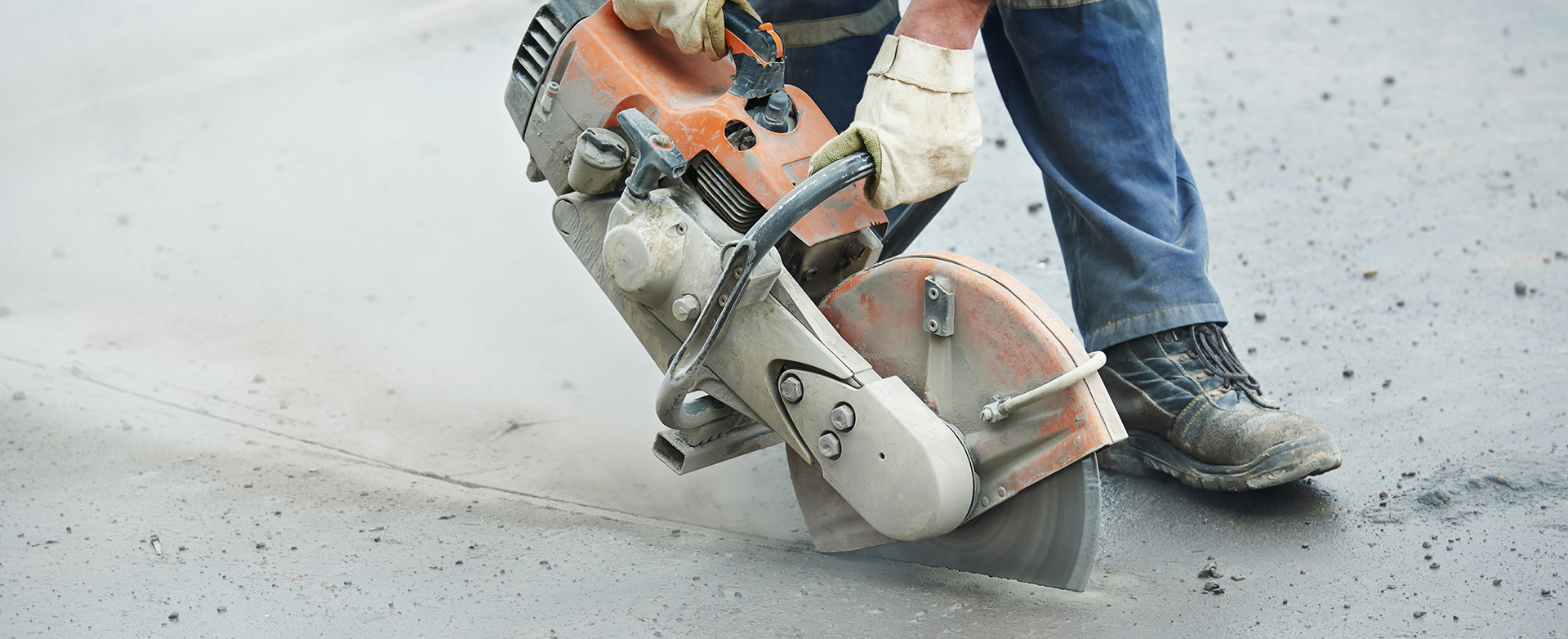
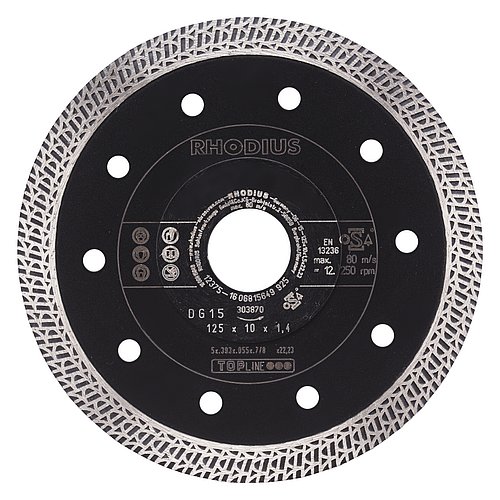
The shape of the rim is also a key factor that determines the diamond cutting disc’s cutting speed and the ‘feel’ of the cut while working. Finding the right diamond tool for your use case depends not only on the material being processed.

Continuous rim
ensures high-precision cuts and very clean cutting edges segmented rim

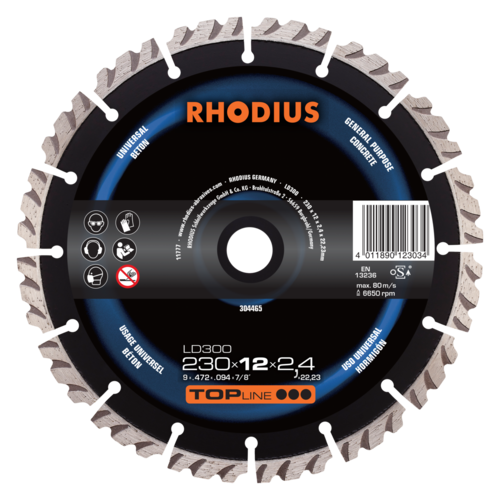
Turbo rim
combines a clean cutting edge with short cutting times

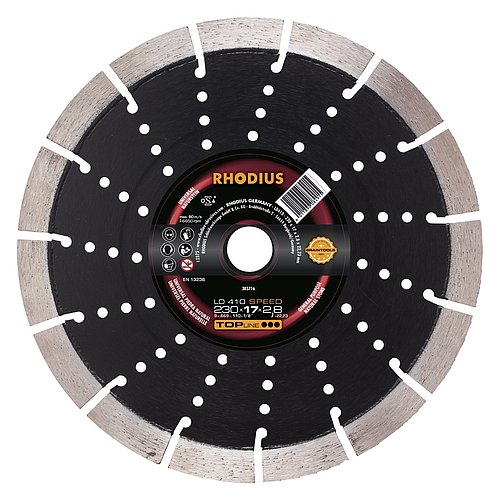
Segmented rim
Fastest cutting speed and maximum service life with segment heights of up to 17 mm
![[Translate to Englisch:] Icon Video](/fileadmin/user_upload/bilder/010_Home/icon_anwendungsfilme_100x90.png)
![[Translate to Englisch:] Icon Standort](/fileadmin/user_upload/bilder/010_Home/icon_schulungstermine_100x90.png)
![[Translate to Englisch:] Icon Katalog](/fileadmin/user_upload/bilder/010_Home/icon_infomaterial_100x90.png)
