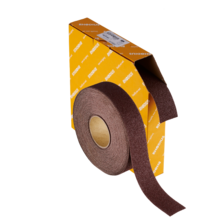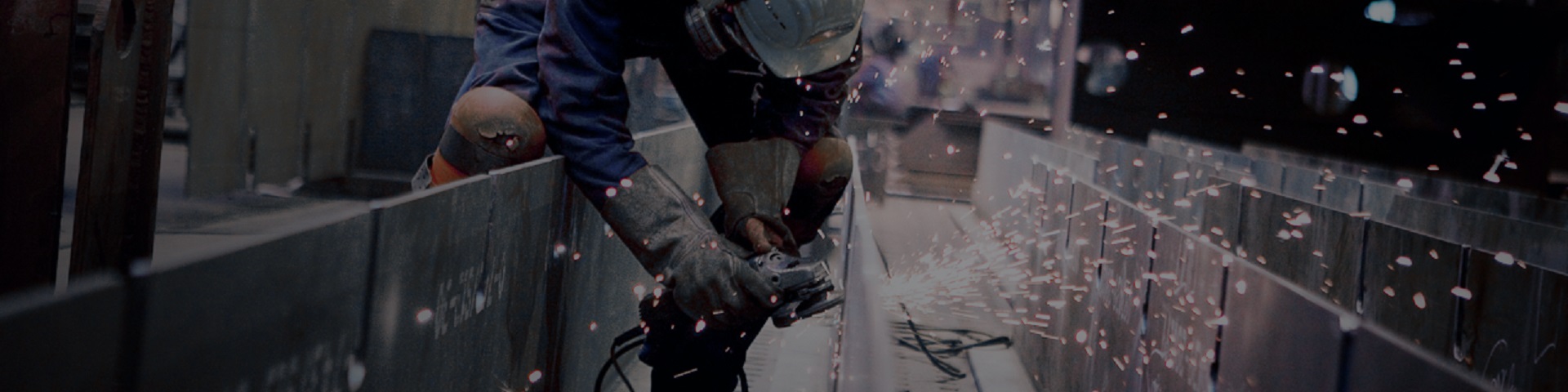
Whether you’re using abrasive belts, rolls, or sheets—if you need to grind or perform metal polishing, it’s worth taking a closer look. When it comes to coated abrasives, four factors determine the optimal composition and, therefore, the best product for the job. To help you understand what matters when selecting the right tool, we’ve outlined the key components—backing type, bonding, distribution, and grains—individually below.
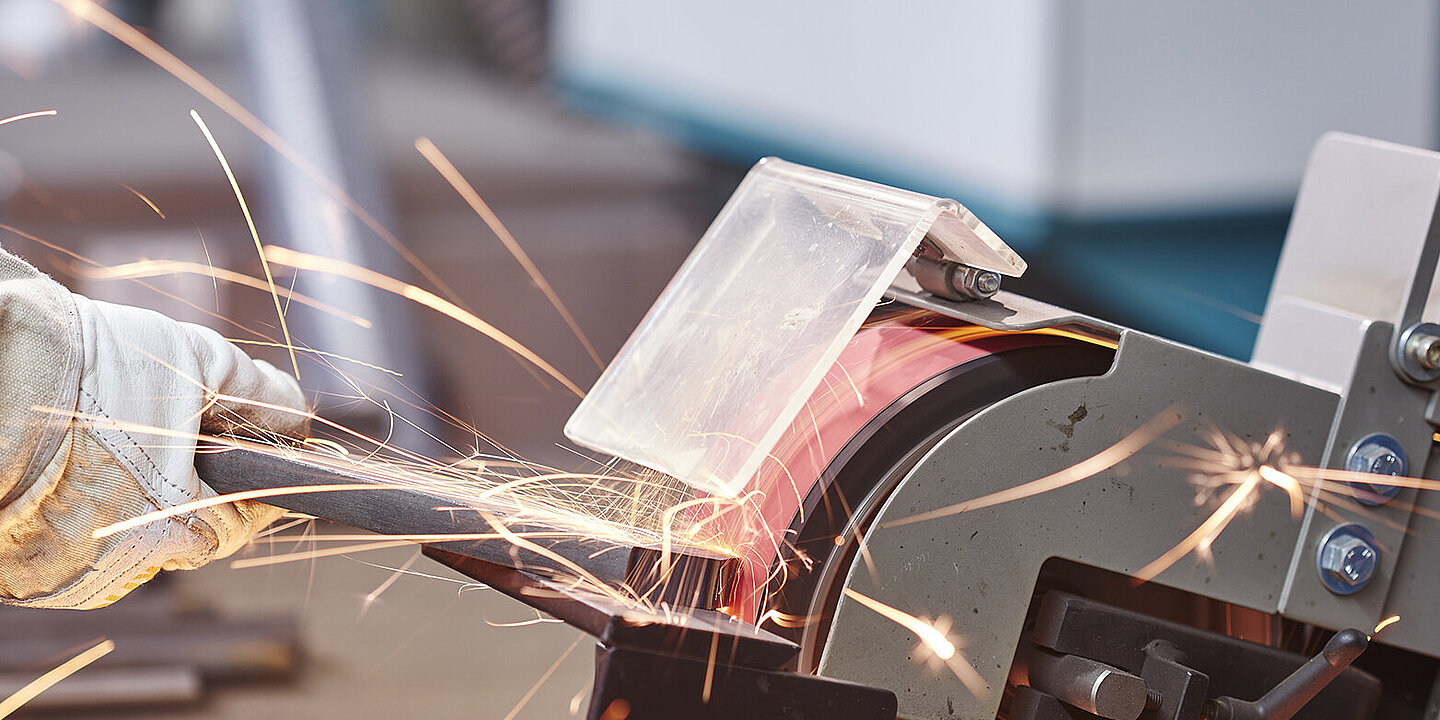
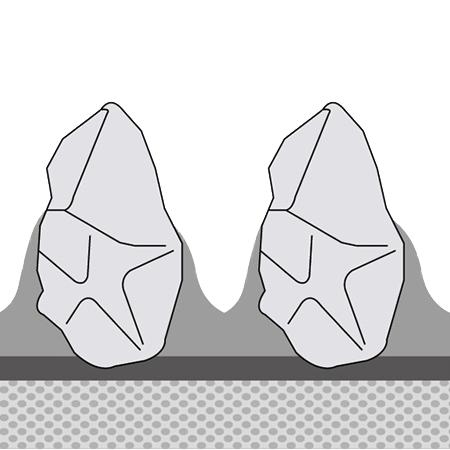
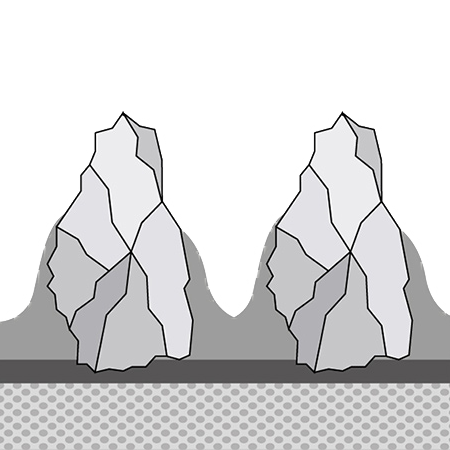
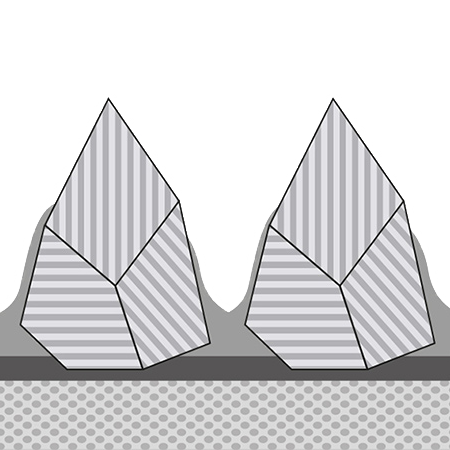
The key to a good bond lies in the balance between grain fixation and flexibility. With the help of the bond, both rigid and aggressive abrasives as well as highly flexible ones for fine grinding can be produced. A basic bond provides initial fixation during the electrostatic spraying/application of the abrasive grains. An additional top bond ensures the necessary bonding of the abrasive grains to one another. Depending on the application, softer or more hardened bonds are used. In metal grinding, an abrasive substance is additionally applied, depending on the specific application, to produce a cool grinding process.