![[Translate to Englisch:]](/fileadmin/user_upload/bilder/010020010010_Anlagenbau/010020010010_anlagenbau_emotion_header_1920x480.jpg "[Translate to Englisch:]")
Steel, stainless steel, aluminum—the materials used in plant engineering are diverse. The same is true of the work processes involved, right through to the finished workpiece. Only by using the right grinding tools, cutting discs, grinding discs, milling cutters, and—for a successful finish—the best polishing tools can one achieve optimal results in plant engineering. Tools for stainless steel and aluminum must meet very specific criteria. Often, the surfaces must be extremely resistant to weathering and material degradation. By using the right tools, the risk of subsequent rust formation can be minimized right from the plant’s design phase.
Whether you specialize in material handling or equipment manufacturing, or whether your company produces heating systems, ventilation systems, elevators, or mixers—we at RHODIUS offer you and your industry comprehensive and expert technical consulting for metalworking processes.
We know which tool is used by whom and when. RHODIUS application engineers and field representatives are here to assist you with advice and support, working with you to optimize your manufacturing and procurement processes.
Tips and Tricks for Perfect Results in Plant Engineering
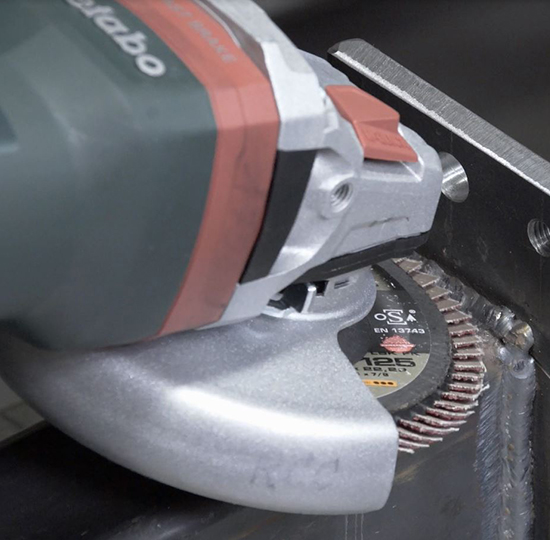
Finishing fillet welds
Special flap discs with a larger flap projection and a sturdy backing are clearly the best choice here.
In hard-to-reach corners and curves, a carbide burr with a ball-nosed cylinder is ideal.
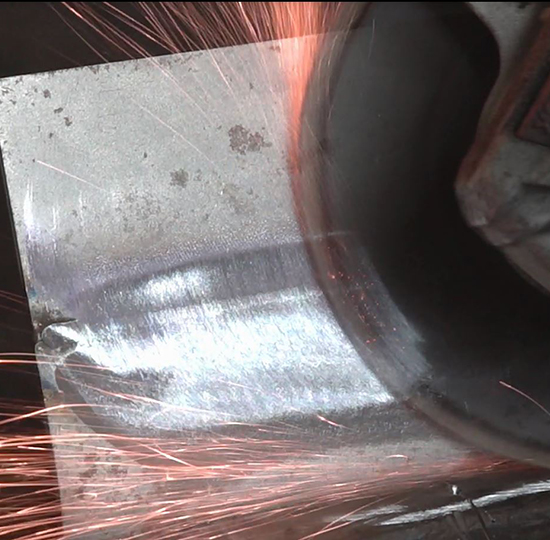
Grinding Welding Seams
Carbon steel is used for nearly half of the workpieces in plant engineering, particularly in the construction of support structures. It is cut and ground—as quickly and efficiently as possible.
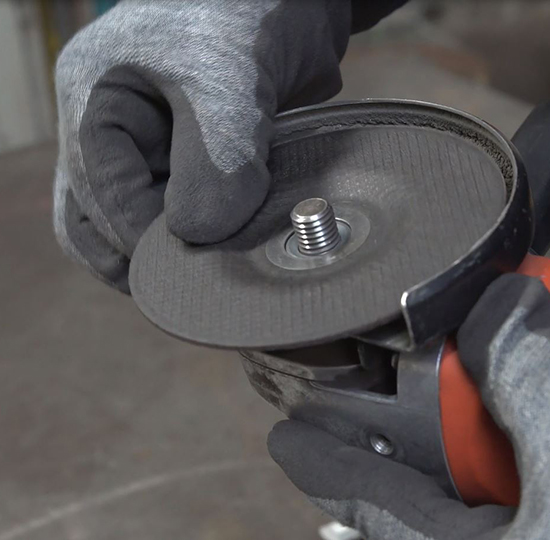
Adjusting During Assembly
Sometimes, however, some finishing work is necessary. Anyone who repeatedly and alternately needs to cut, perform chamfering, deburring, or dressing on solid material, tubes, or even coated sheet metal needs a universal tool for the job.